
Mental health is a term that refers to a person’s overall psychological well-being. It encompasses a person’s emotional, social, and psychological well-being, and is influenced by various factors, including genetics, life experiences, and the environment.
Good mental health is about feeling good about oneself, having a sense of purpose and meaning in life, and being able to cope with the challenges and stressors that come our way. It’s about being able to form and maintain healthy relationships, and being able to function well in daily life.
On the other hand, poor mental health can manifest in a variety of ways, including feelings of sadness, hopelessness, or worthlessness; difficulty with concentration or decision-making; changes in sleep or appetite; and thoughts of self-harm or suicide.

Mental health is not a static condition but rather a dynamic state that can fluctuate over time. There are many things that can impact a person’s mental health, including stress, trauma, and life events such as the loss of a loved one or a significant change in circumstances. It is important to take care of your mental health in the same way that you take care of your physical health, by getting enough sleep, eating a healthy diet, and engaging in activities that bring you joy and relaxation.
There are many effective treatments for mental health disorders, including therapy, medication, and self-care strategies. Therapy can help individuals to better understand their thoughts and feelings, develop coping mechanisms, and improve their relationships with others. There are many different types of therapy, such as cognitive-behavioral therapy (CBT), which helps individuals identify and change negative thought patterns, and dialectical behavior therapy (DBT), which focuses on emotion regulation and mindfulness. A therapist can help individuals determine which type of therapy may be most beneficial for them.
On the other hand, medication can be an effective treatment for some mental health disorders, such as depression and anxiety, by helping to balance the chemicals in the brain that regulate mood and behavior. It is important to note that medication is not a replacement for talk therapy, and the two approaches are often used in combination to achieve the best results. It’s also worth noting that the decision to use talk therapy or medication, or a combination of the two, is highly individual and depends on the specific needs and preferences of the person seeking treatment. It’s important to work with a mental health and a medical professional to determine the most appropriate treatment plan. Self-care strategies, such as exercise, relaxation techniques, and healthy eating, can also help to improve mental health.
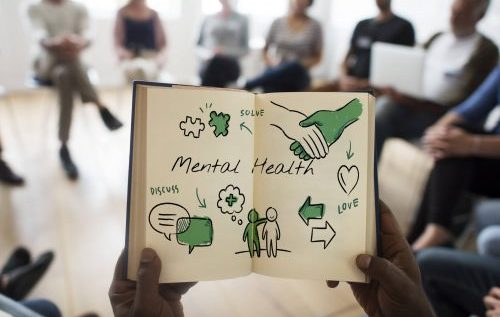
It is important to seek help if you are struggling with your mental health. This can include talking to a mental health professional, such as a therapist or counselor, or joining a support group. There are also many resources available online, such as mental health hotlines and online therapy services. Learn more about the mental health resources here: https://insideinsights.ca/resources/
There is still a significant stigma surrounding mental health, and many people are reluctant to seek help because they are afraid of being judged or misunderstood. However, it is essential to remember that seeking help for mental health issues is a sign of strength, not weakness. It takes courage to admit that you are struggling and to ask for help. And it’s never too late to seek treatment. It’s okay to not be okay, and it’s okay to ask for help. You are not alone, and there is hope for healing and improvement.
Ready to start your healing journey with me?